Clearing the Tree Cover: The Process of Tree Removal in Saint Louis


st louis city tree removal St Louis City Tree Removal | 4550 Magnolia Ave, St. Louis, MO 63110 | (314) 597-7223 | https://st-louis-city-tree-removal.com/
In the vibrant city of St Louis, the presence of arboreal giants plays a significant role in shaping the landscape and character of the area. While these towering giants provide shade and beauty, there are times when tree removal becomes a necessary aspect of urban management. Whether of disease, safety concerns, or redevelopment projects, understanding the complexities and procedures involved in St Louis City tree removal is important for residents and city planners alike.
Over the years, the city has faced various challenges related to its urban forest. The need of maintaining the health of the city's green spaces, alongside the necessity to address hazardous trees, creates a fragile balance. As more residents seek to create more secure and more aesthetically pleasing environments, the journey of tree removal continues to evolve, prompting discussions about sustainability and responsible management. In this article, we will explore the nuances of tree removal in St Louis, shedding light on the reasons, techniques, and consequences for the community.
The Significance of Removing Trees
Tree removal plays a crucial role in ensuring the health and security of urban environments like St Louis City. Over time, trees can become infested or invaded with pests, leading to decay and weakening their structural integrity. This poses significant risks to adjacent buildings, people on foot, and vehicles. In such cases, prompt the removal of trees is necessary to avoid potential accidents and damage.
Additionally, tree removal is important for promoting the growth of neighboring flora and trees. When trees and plants are crowded or competing for resources, it can hinder the overall vitality of the local ecology. Removing specific trees allows for improved light access, airflow, and soil fertility for the remaining vegetation. This approach contributes to a healthy and flourishing urban forest.
Finally, tree removal can enhance the visual appeal and usability of public spaces in St. Louis. When trees obstruct views or crowd homes, removing them can open up sightlines and create more accessible space for recreational use. This not only improves the appearance of the surroundings but also enhances property values, making tree removal a crucial consideration for urban planning and growth.
Safety and Rules
When it comes to tree removal in St Louis City, protection is of utmost importance. The process involves a variety of risks, including falls, danger from electricity, and equipment-related injuries. Professionals performing tree removal must be equipped with the appropriate safety gear, such as helmets, gloves, and safety harnesses, to protect themselves during the job. It is essential for contractors to follow rigorous safety protocols to minimize the risk of accidents not only to their team but also to nearby homes and bystanders.
Additionally, St Louis City has laws in place to ensure that the process of removing trees is conducted in a responsible manner. Property owners are required to obtain permits for removing certain trees, especially those that are endangered or protected or located in specific zones. This helps maintain the urban canopy and preserves the ecological balance in the city. Those looking to remove a tree should familiarize themselves with local ordinances and consult the city’s Forestry Department if necessary.
Finally, proper training and licensing are essential for any company engaged in tree removal services. The city encourages the hiring of professionals who have been trained in arboriculture and removal techniques, as this not only ensures a safer approach but also promotes optimal methods. Ensuring that teams are compliant with both safety standards and local laws can lead to more efficient tree removal while safeguarding the environment and local population.
Environmental Impact
The act of removal of trees in St. Louis carries serious ecological effects that require thoughtful attention. Trees play a key role in preserving metropolitan ecosystems by supplying homes for wildlife, improving air quality, and diminishing urban heat. If trees are removed, these advantages are diminished, leading to a possible decline in regional biodiversity and an increase in air pollution levels. The loss of tree cover can also intensify the heat island phenomenon, where towns become significantly warmer than surrounding rural areas as a result of human activities and developments.
Furthermore, the act of removing can result in soil erosion and nutrient loss. Trees anchor the ground, preventing erosion by firmly placing the ground with their root structures. If trees are taken out, the uncovered soil is susceptible to erosion from natural forces, leading to sediment washing away that clogs rivers and affects water habitats. This interference can profoundly alter native ecosystems, causing prolonged degradation to both vegetation and fauna in the area.
On a larger scale, tree removal can affect community climate resilience. Metropolises like St. Louis are already contending with the effects of climate change, such as higher temperature levels and adverse weather occurrences. Green spaces provide shade and cooling effects that help mitigate these problems. Therefore, thoughtful tree removal must be accompanied by reforestation and urban greenery efforts to maintain a balanced ecosystem and ensure the general environmental health of the urban area.
Community Involvement
Community engagement plays a crucial role in tree removal initiatives in St Louis City. Residents are often the first to report unsafe trees or trees that obstruct community areas. Their local knowledge enables city officials to focus on areas that need intervention, ensuring that the tree removal process is effective and responsive to community needs. Furthermore, when citizens actively participate in discussions about which trees need removal, they encourage a sense of ownership over their urban environment.
Local organizations and community groups significantly contribute to the tree removal efforts through education and advocacy. These groups host workshops and informational sessions to inform residents on the significance of tree health and urban tree care. By raising awareness, these organizations empower residents to recognize when trees may pose a risk and to engage with city officials. This collaborative effort strengthens the community's connection to greenspaces while ensuring a safer urban landscape.
Additionally, community members often come together for replanting events following removals. This not just helps to restore the canopy but also promotes a spirit of collaboration and environmental responsibility among residents. Engaging the public in the replanting effort helps nurture a culture of sustainability, reinforcing everyone that tree removal is never just an act of elimination but part of a broader cycle of urban forestry management aimed at improving the overall health and beauty of St Louis City.
Process of Tree Removal
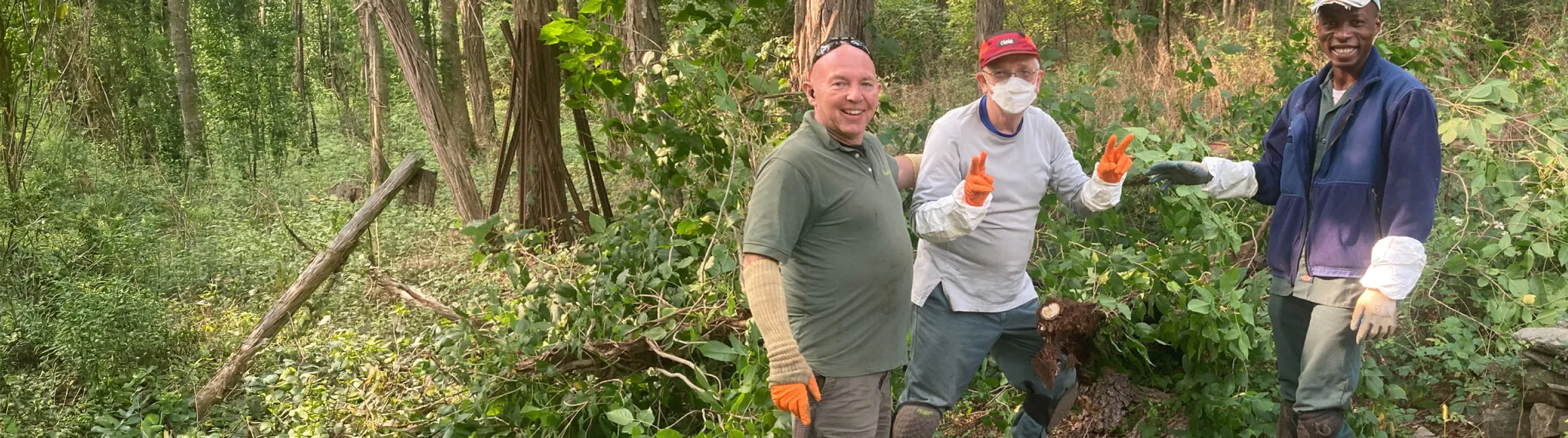
The procedure of removing trees in St. Louis City is a demanding job that requires careful assessment and planning. Initially, the tree is assessed to determine its health, location, and dangers. This assessment is crucial, as it helps to pinpoint any dangers posed by the tree to adjacent properties or power lines. Based on the findings, a suitable plan for removal is crafted, taking into account the size and condition of the tree as well as how easy it is to reach with tools.
Once the plan is in place, the actual tree removal effort begins. This usually starts with the clearing of the surrounding area to ensure a hazard-free zone. Arborists will often use expert machinery, such as chainsaws and wood chippers, to effectively take down the tree in sections. In instances where the tree is substantial or positioned near obstacles, rigging techniques may be employed to handle the process without risk. This phase necessitates skilled professionals to navigate the complexities involved in dealing with large and hazardous tools.
After the tree has been successfully removed, the site is then cleaned and restored. This includes the extraction of the stump and clearing any leftover material. Depending on community laws and landlord requirements, the debris could be turned into mulch or eliminated completely. The goal of this final step is to leave the area safe and tidy, ensuring that the removal process has a small influence on the local environment.
Post-Removal Care
Once the tree has been removed in St Louis City, it is crucial to concentrate on the care of the area to foster healthy growth and prevent potential issues from arising. Initially, assess the site where the tree was located. Check for any stump or roots that could impact future landscaping or planting. If there is a stump, think about grinding it down or removing it completely to enhance the aesthetics of the space and remove potential tripping hazards.
Next, it's important to tackle the soil health. Once a tree is removed, the soil can become compacted or may lack the necessary nutrients for fresh growth. Aerating the soil helps enhance drainage and promotes the penetration of air and water. Additionally, think about adding organic matter like compost or mulch to enrich the soil, creating a better environment for any new plants to flourish.
In conclusion, plan for future greenery in the space. Whether you decide to plant a new tree or opt for a different landscaping approach, choosing the right plants suited to your location and soil conditions is important. Make sure to take into account the size and spread of the new plants to avoid potential issues in the future. By taking these steps, you can ensure that the area not only heals but thrives after the removal of the tree.
Future of Urban Forestry
The future of metropolitan forestry in Saint Louis is poised for substantial development as the city grapples with the obstacles of sustainability and global resilience. With increasing city development, the requirement for a balanced approach to urban tree management is essential. As the city progresses in its tree removal efforts, it must also emphasize reforestation and nurturing new growth to preserve the canopy of urban trees. Public involvement and outreach will be key in cultivating a community ethos that appreciates trees as essential to the city's biome.
Technological advancements are ready to play a critical role in the development of city tree management practices. Adopting data-driven approaches will aid city officials determine which trees need to be removed and the locations where new trees can be planted to enhance ecological advantages. In moreover, advancements in tree care and maintenance will ensure healthier urban forests. By leveraging technology, the city can successfully manage its natural areas while managing challenges related to vermin, diseases, and global warming.
As the city of St Louis looks to the horizon, collaboration among city agencies, community organizations, and residents will be crucial to successful urban forestry management. Projects that encourage tree planting, awareness, and advocacy can enhance the relationship between the community and its green spaces. By developing a collective duty for maintaining and enhancing the tree canopy, St Louis can create a greener, more sustainable city that supports both its residents and the ecosphere for generations to come.